History of Peleș Castle: From Royal Residence to Museum
A German prince on a new throne, a mountain estate, four architects and forty-one years of building.
Book this visit
Some links are affiliate links: if you book, we may earn a commission at no extra cost to you. How this works
 Peleș ticket not included
Small-group day trip to Bran Castle, Brașov and Peleș Castle
A minivan or minibus instead of a coach, with an English-speaking tour leader and phone audio guides in Spanish, Italian, French and Hebrew. Entrance fees are extra.
- 12–14 hrs
- Small group
- Transport included
- Free cancellation
Live guide: English
From €55.20 per person · Nov 2026
Book now — Small-group day trip to Bran Castle, Brașov and Peleș Castle (opens in a new tab) Our pick Peleș ticket not included
Castles of Transylvania: private day trip from Bucharest
A private day with a licensed guide, for visitors who want the history told as they go. Entrance fees are extra.
- 12 hrs
- Hotel pickup
- Private
- Transport included
- Free cancellation
Live guide: English
From €125 per person · Nov 2026
Book now — Castles of Transylvania: private day trip from Bucharest (opens in a new tab)Day trips first, then tickets only, each from the lowest price. Prices from the booking page; the price at checkout is the one that counts.
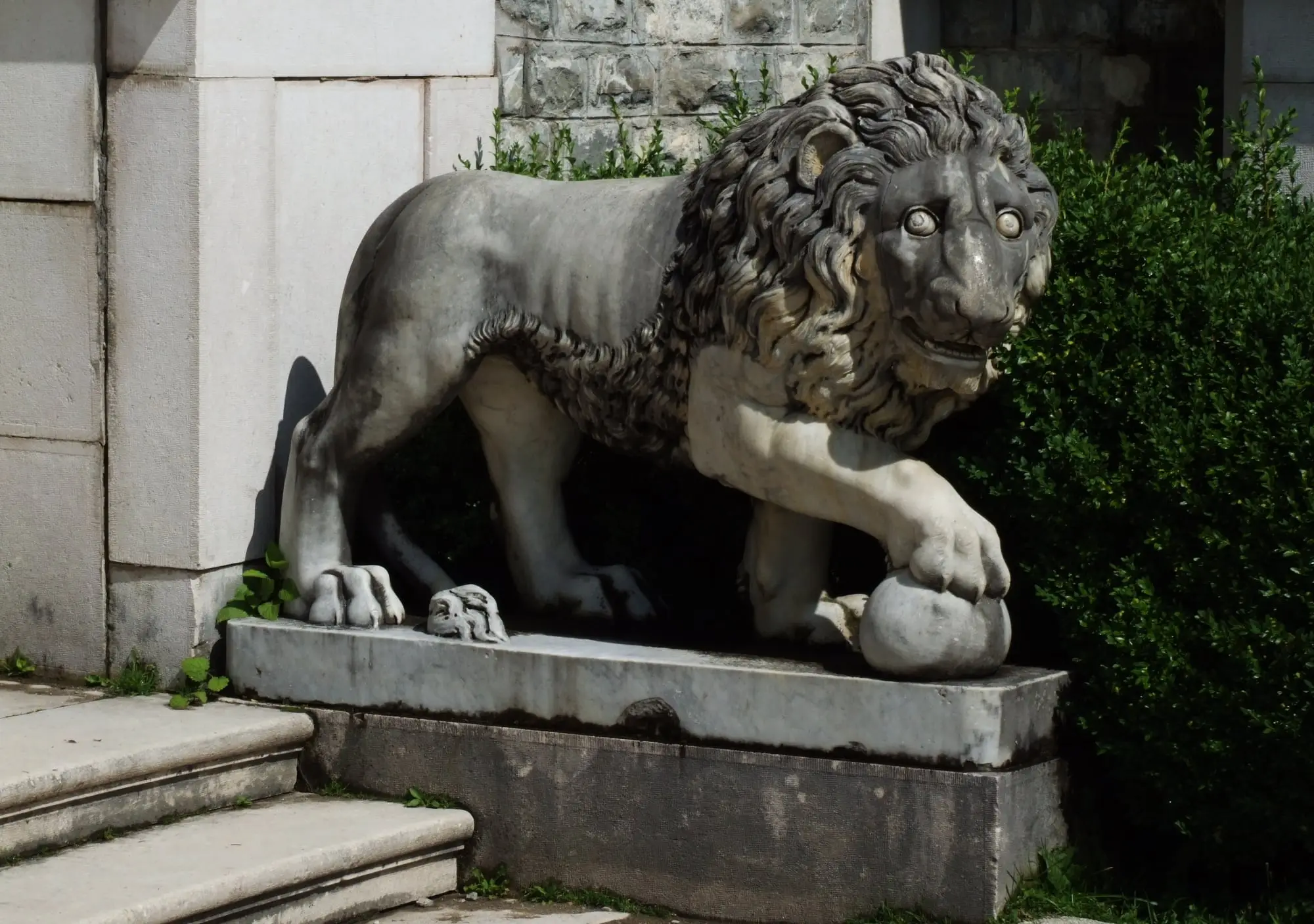
Peleș Castle was built between 1873–1914 for King Carol I of Romania, as his summer residence in the Carpathians. It was a royal home from 1883–1947, was taken by the state in 1948, and has been a museum from 1953 to 1975 and again since 1990 (Peleș National Museum, history).
In short
- Built 1873–1914; cornerstone laid on 22 August 1875.
- Architects: Wilhelm von Doderer, Johannes Schultz, Émile André Lecomte du Noüy and Karel Liman.
- Royal residence 1883–1947; nationalised in 1948.
- Today: owned by the Romanian royal family since 2007 and run as a public museum.
Why was Peleș Castle built?
Carol of Hohenzollern-Sigmaringen came to Romania as its ruling prince and became its first king. In 1871 he bought an estate of 1,000 hectares above the Prahova valley, called Piatra Arsă, from the Hospitals Ephorate. The museum’s account says he wanted a summer residence with political, cultural and symbolic functions, and that he lived there for about six months of each year.
The town grew with the castle. The commune of Podul Neagului was renamed Sinaia in 1874 on the king’s initiative, the first large houses went up the following year, and in 1876 work began on the railway from Ploiești to Predeal that still carries visitors to Sinaia.
How was it built, stage by stage?
| Years | What happened |
|---|---|
| 1873–1875 | Foundations built; cornerstone laid on 22 August 1875 |
| 1876 | The first architect, Wilhelm von Doderer, has his three designs rejected; Johannes Schultz takes over |
| 1879–1883 | Schultz builds the first castle: two storeys, like a Swiss chalet, half-timbered outside |
| 1884 | Electrical network installed, with the castle’s own generator |
| 1890 | The Moorish Hall added on the south wing |
| 1894 | The Czech architect Karel Liman appointed to lead the works |
| 1897 | Power plant built |
| 1903–1906 | Marble Gallery, Concert Hall and other rooms designed by Liman |
| 1906 | The central tower raised; its three-dial clock follows a year later |
| 1907–1911 | The Hall of Honour built on the site of an inner courtyard |
| 1908–1911 | The armoury halls completed |
| 1911–1914 | Terraces decorated; the Council Hall designed |
The death of King Carol I on 27 September 1914 ended the project he had directed for four decades.
Who designed it?
Four architects, in succession: Wilhelm von Doderer, Johannes Schultz, Émile André Lecomte du Noüy and Karel Liman. Doderer, a professor in Vienna, proposed designs inspired by the Loire châteaux and the buildings of the Vienna Ringstrasse; the king turned them down. Schultz gave the house its first, chalet-like form. Lecomte du Noüy is credited with the Moorish Hall. Liman, from 1894, shaped most of what visitors see now, working with the Viennese decorator Bernhard Ludwig.
The furnishings came from across central Europe: firms in Hamburg, Cologne, Vienna and Munich supplied furniture, carpets and decoration, and the Zettler workshops in Munich made stained glass.
What happened after 1914?
After the king’s death the castle kept its ceremonial role but was no longer lived in for half the year. It hosted official visits and military ceremonies, and in 1933 King Carol II celebrated its fiftieth anniversary there.
King Michael abdicated in December 1947. Between January and March 1948 the communist authorities closed the castle and inventoried its contents. It then reopened as a museum, which it was from 1953 to 1975 and has been again since 1990.
Who owns it now?
According to the museum, the castle has been, since 2007, the property of the Romanian royal family, and it is run as a public institution under the Ministry of Culture.
And Pelișor?
The smaller castle nearby was built in 1899–1902 by Karel Liman, for the heirs to the throne. It opened as a museum in February 1993. See the Pelișor page.
What else does the Royal Family’s brochure record?
From the brochure "Peles Castle and the Royal Estate of Sinaia", published around 2010 by the Royal Family of Romania.
- Start and inauguration
- Building began in August 1873 and the castle was inaugurated on 7 October 1883. Work then continued for decades.
- The cost
- By 1914 the works had cost 16 million gold lei, paid from the king’s private funds. The brochure put that at over 125 million euros in the money of its day.
- Who built it
- Queen Elisabeth, who wrote as Carmen Sylva, described the site: Italian masons, Romanians building terraces, Albanians and Greeks working stone, German and Hungarian carpenters, Czech stone carvers, and fourteen languages spoken at once.
- 1914
- In the Grand Music Hall, the Crown Council decided on Romania’s neutrality at the outbreak of the First World War.
- After 1947
- After King Michael’s forced abdication the regime seized the royal property. The castle was declared a museum in 1953. From 1975 to 1990 Nicolae Ceaușescu closed the whole estate, which became a State Protocol Area.
- Restitution
- In 2006 the Romanian government announced the return of the castle to King Michael I, and his official return took place in June 2008. Since then the castles have been private royal property, open to the public as national museums administered by the state.
- Guests
- Among the visitors the brochure names are Emperor Franz Joseph, the future King Edward VII, the composer George Enescu, the actress Sarah Bernhardt, and the American presidents Richard Nixon and Gerald Ford.
- On screen
- Peleș played the home of an eccentric heiress in the film "The Brothers Bloom", released in 2009.
One figure differs between the two sources. The brochure says the king bought "over 1,000 acres" in 1872; the museum’s history says 1,000 hectares, bought in 1871. On this site we follow the museum.
Sources
- Peleș National Museum, history of Peleș Castle. Read on 14 November 2026.
- Peleș National Museum, history of Pelișor Castle. Read on 14 November 2026.
- Royal Family of Romania, brochure “Peles Castle and the Royal Estate of Sinaia” (undated, around 2010; familiaregala.ro). Read on 15 November 2026.
Questions people ask
Who built Peleș Castle?
King Carol I of Romania had it built as a summer residence. The architects were Wilhelm von Doderer, Johannes Schultz, Émile André Lecomte du Noüy and Karel Liman.
When was Peleș Castle built?
Between 1873–1914. The cornerstone was laid on 22 August 1875, and the castle served as a royal residence from 1883.
Who owns Peleș Castle today?
It is owned by the Romanian royal family since 2007 and run as a public museum.
Did Peleș Castle have electricity?
Yes, early: an electrical network with its own generator from 1884, and a power plant built in 1897.
Why is the town called Sinaia?
The official history records that the commune of Podul Neagului was renamed Sinaia in 1874, on the initiative of King Carol I.